The Pyramid Story: Celebrating 25 Years of the American Dream
Pyramid Systems
15 October 2020
Reading time:
5 min.
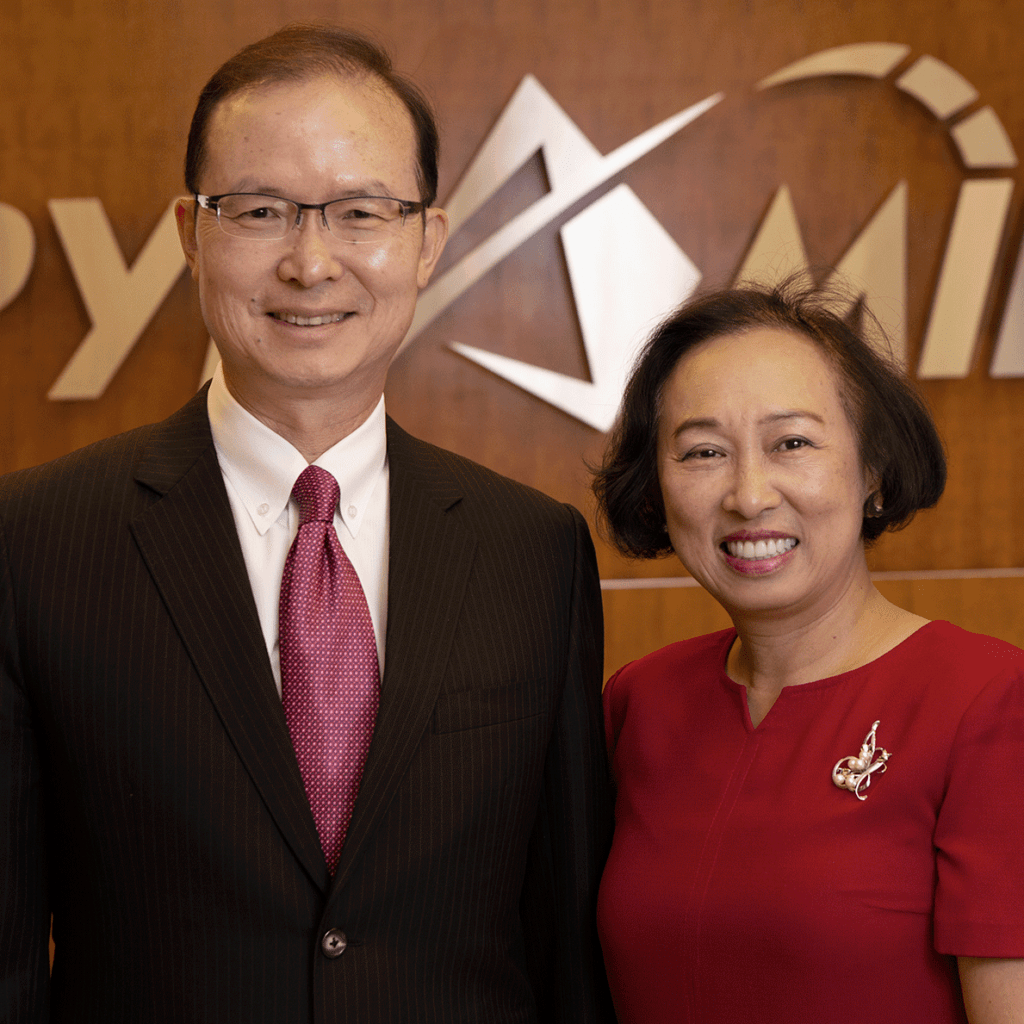
After 25 years, Sherry and Jeff Hwang's hard work and patience paid off — they have achieved the American Dream. They built Pyramid Systems from the ground up: a federal IT contractor that serves civilian and homeland security agencies, employs hundreds of mission-focused technologists, and operates by a set of principles that have outlasted every cycle the federal landscape has thrown at it.
This post is a celebration of that 25-year milestone and an explanation of why the founding story still shapes Pyramid today — from how we deliver work, to how we treat employees, to how we invest in capabilities like AIR-Quire and Pyramid Labs that compound over years rather than quarters.
The Founding Story
The Pyramid story is a version of the American Dream told without shortcut. Sherry and Jeff Hwang built the firm with patient capital, hands-on involvement in every dimension of the early business, and a clear thesis: federal IT contracting could be done better if a firm prioritized client service excellence and employee-centric culture over the quarter-by-quarter optimization that defines so much of the industry.
That thesis required time to prove out. Reputations in federal contracting accumulate over years — through delivery quality, client trust, and the willingness to take long-arc bets that don't pay off immediately. The 25-year milestone reflects what that patience produced: a federal IT contractor with deep agency relationships, a sustained workforce, and the credibility to take on the kind of mission-critical engagements that define Pyramid's portfolio today.
Principles That Shaped the Firm
The principles Sherry and Jeff set out early still shape how Pyramid operates:
Client service excellence rooted in employee-centric culture. The thesis that supported teams deliver better work has been operational from day one — not added later as a marketing layer.
Technical depth across federal mission domains. Pyramid invests in the technical breadth (cloud, AI, identity, DevSecOps, data, analytics, acquisition) and the federal mission depth (HUD, SEC, CMS, GSA, FDIC, and beyond) that combine to make us useful to the agencies we serve.
Long-term commitment to agency partners. Pyramid's relationship with HUD started with our first contract in 1995. The pattern of multi-year, multi-contract relationships with agencies is how the firm grows — not through opportunistic single-shot wins.
Patient capital deployed into capabilities that compound. Capabilities like AIR-Quire and Pyramid Labs are bets that pay off over years. Sherry and Jeff's posture of patient investment is what made them possible.
Why the Founding Story Still Matters
Federal IT contracting is full of firms that came and went. The ones that endure share certain things in common — deep client relationships, employee retention, and a willingness to invest in the years when it isn't fashionable to invest. The 25-year mark (now 30 years) for Pyramid is one signal that the founding thesis worked. The portfolio of federal agency relationships, the capability investments that have paid off, and the workforce that delivers them are the other signals.
For federal agencies considering Pyramid: the story explains why we operate the way we do. For prospective hires: it explains why investments in people aren't a perks list but a foundational commitment. For current team members: it's part of why showing up at Pyramid means showing up to something with continuity, intention, and a track record.
Conclusion
The American Dream means different things to different families. For Sherry and Jeff Hwang, it meant building a federal IT contractor that does meaningful work for federal agencies, treats employees as the source of that meaningful work, and operates over decades rather than quarters. Twenty-five years later, that vision is what Pyramid Systems still operates on. The next 25 years are about extending it — deeper into AI, into acquisition modernization, into the federal mission systems that shape how Americans interact with their government — while keeping the principles that got us here intact.
FAQ
Who founded Pyramid Systems?
Pyramid Systems was founded by Sherry and Jeff Hwang. After 25 years (now 30) of building the firm from the ground up, they have created a federal IT contractor that serves civilian and homeland security agencies with a deep workforce, established agency relationships, and a defined operating culture.
How long has Pyramid Systems been in business?
Pyramid Systems has been delivering federal IT solutions for 30 years, starting with our first HUD contract in 1995. The 25-year milestone celebrated in this post reflects an earlier marker; the firm has continued to grow since.
What principles shaped Pyramid from the beginning?
Four principles that still operate today: client service excellence rooted in employee-centric culture, technical depth across federal mission domains, long-term commitment to agency partners (rather than opportunistic single-shot wins), and patient capital deployed into capabilities that compound over years.
Why does Pyramid invest in long-arc capabilities like AIR-Quire and Pyramid Labs?
Because the founders' thesis was that compound investments in federal capability pay off over years, not quarters. Pyramid's patient-capital posture is what made AIR-Quire's productization possible, what makes Pyramid Labs sustainable, and what enables the workforce development programs that depend on multi-year continuity.
How does Pyramid's founding story show up in how it operates today?
Through the employee-centric delivery model, the long-arc agency relationships, the workforce investment programs (internships, externships, Nexus, Student Debt Relief, wellness), and the capability investments (AIR-Quire, Pyramid Labs). The principles Sherry and Jeff set out at the founding are still the principles the firm runs on.
How Pyramid Labs applies lean-startup discipline to federal innovation — short cycles from prototype to production, validated by real mission users, scaled responsibly.